Soft magnetic alloys are highly sensitive to microstructure and residual stress. Their magnetic performance depends not only on chemical composition, but is also closely related to processing techniques. Improper processing control may lead to reduced magnetic permeability, increased coercivity, or higher magnetic losses.
Therefore, systematic process control is essential in the processing of soft magnetic alloys.
Forging Process Control
During the production of soft magnetic alloys, a well-designed forging process can effectively improve the internal structure by:
Increasing material density
Optimizing grain distribution
Reducing internal defects
Enhancing the stability of magnetic properties
Key parameters such as deformation ratio and final forging temperature must be carefully controlled to avoid abnormal grain growth or structural inhomogeneity.
For nickel-iron soft magnetic alloys (such as 1J79), post-forging microstructure control is particularly critical.
Machining Considerations
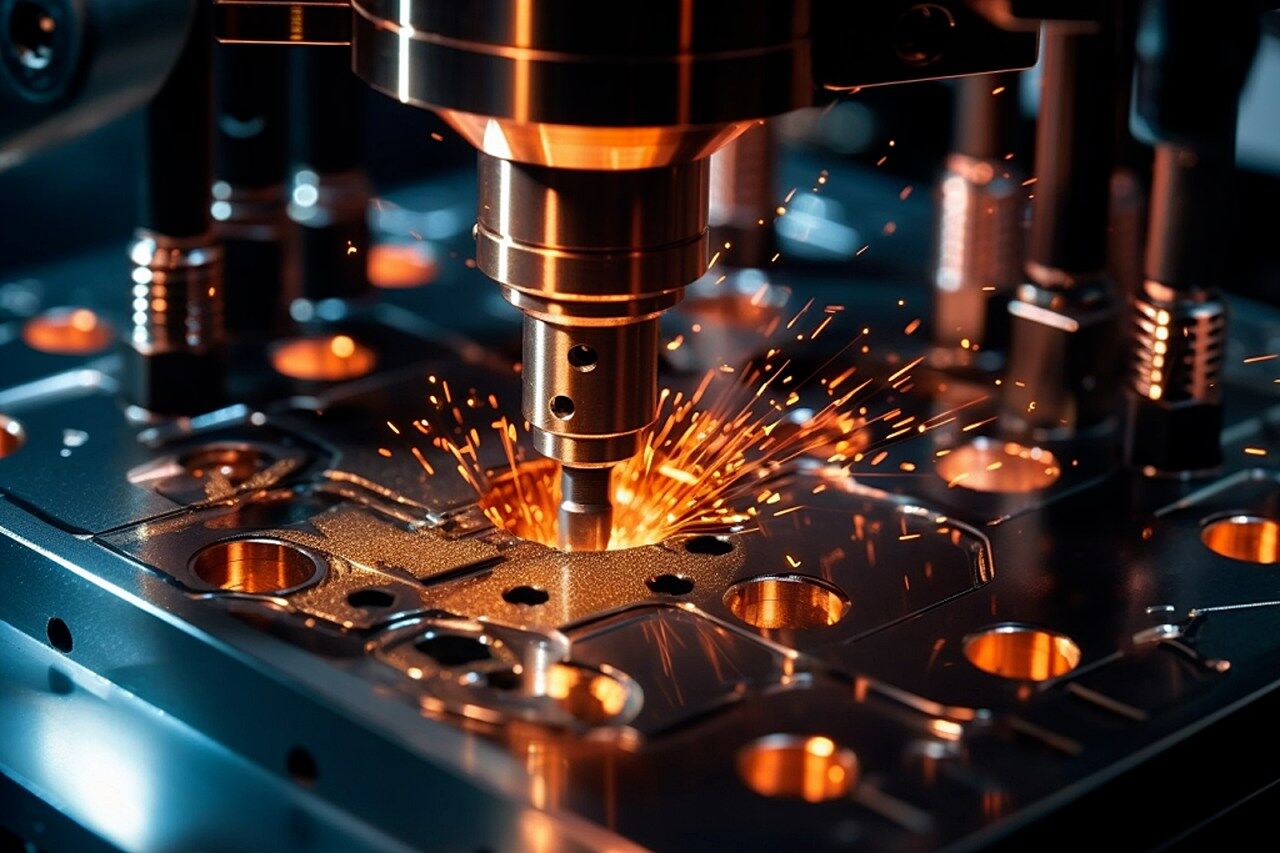
During machining, special attention should be given to:
Cutting parameters
Cooling methods
Surface roughness
Machining-induced stress
Excessive machining stress can adversely affect magnetic properties. Therefore, stress-relief treatment is typically required after finishing.
For high-precision magnetic cores or shielding components, strict control of dimensional and geometrical tolerances is especially important.
Heat Treatment and Annealing Processes
Soft magnetic alloys generally require specialized annealing treatments to restore and enhance magnetic properties, including:
Vacuum annealing
Hydrogen atmosphere annealing
Stress-relief annealing
Annealing temperature, holding time, and cooling rate all have a direct impact on final magnetic permeability and magnetic loss.
Application Matching and Process Integration
Soft magnetic alloys are widely used in:
Motor and transformer cores
Sensor magnetic circuits
Magnetic shielding components
High-frequency power electronic components
Different applications have varying requirements for magnetic properties, dimensional accuracy, and structural strength. Processing routes should therefore be designed in coordination with end-use conditions.
Our Capabilities
We can provide:
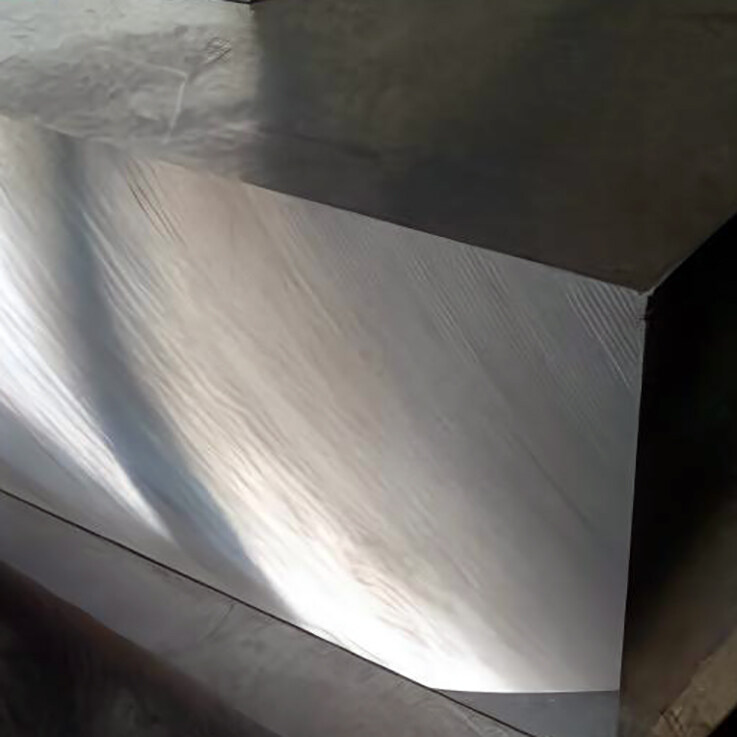
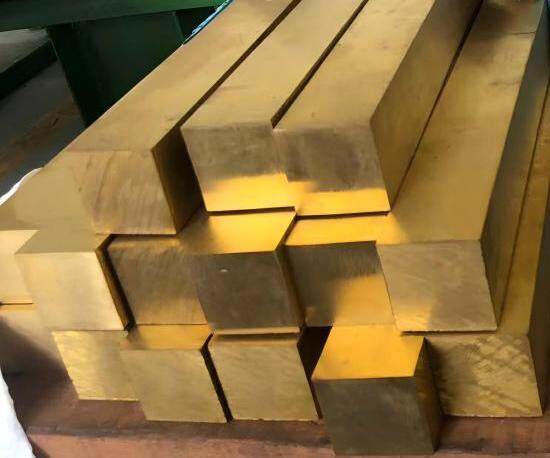
Soft magnetic alloy forged blanks
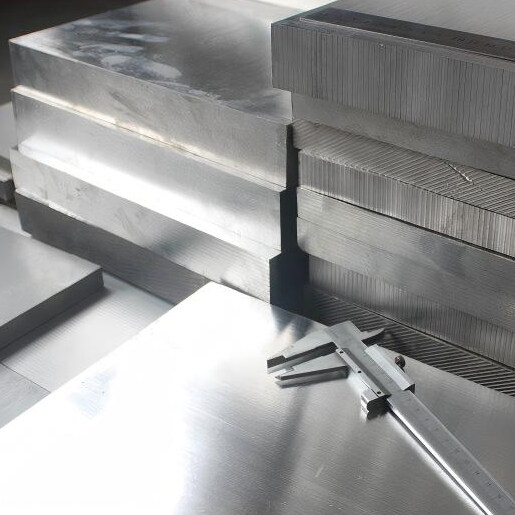
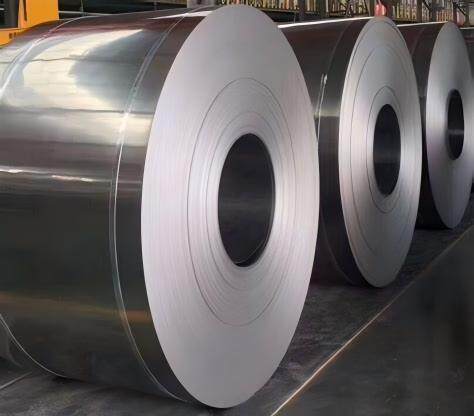
Supply of bars and plates
Precision machining
Integrated heat treatment services
Through the integrated coordination of material selection, forging control, and precision machining, we ensure a stable balance between magnetic performance and structural integrity.
For detailed information on specific grades, specifications, or machining feasibility, please feel free to contact us for further discussion.