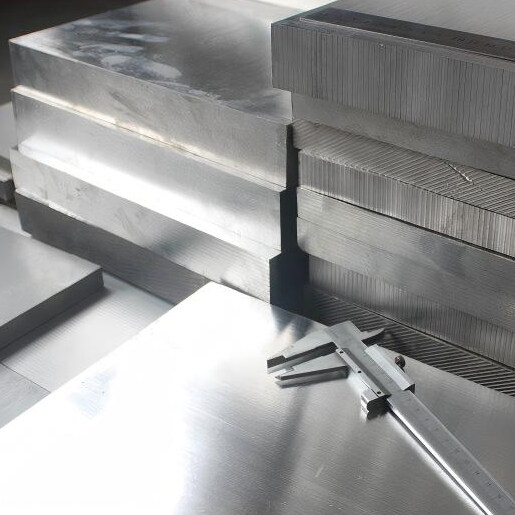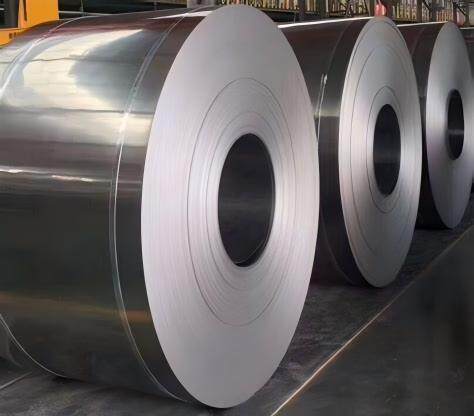
Soft magnetic alloys are functional metallic materials characterized by high magnetic permeability, low coercivity, and low hysteresis loss. They can be rapidly magnetized and demagnetized under an external magnetic field and are mainly used in magnetic flux conduction and electromagnetic energy conversion systems.
Therefore, soft magnetic alloys are designed for efficient magnetic flux transmission and energy conversion, rather than for retaining permanent magnetism.
Core Characteristics
Easy Magnetization and Demagnetization
Soft magnetic alloys exhibit “soft” magnetic behavior, meaning their magnetic polarity can rapidly change with the direction of the applied magnetic field. They are particularly suitable for alternating magnetic field environments.
High Magnetic Permeability
They respond sensitively to magnetic fields and efficiently conduct magnetic flux, improving the performance and efficiency of electromagnetic systems.
Low Coercivity
With low hysteresis loss, soft magnetic alloys experience reduced energy loss and heat generation under alternating magnetic fields, resulting in more stable operation.
Common Classifications
According to chemical composition and microstructure, soft magnetic alloys are mainly classified into the following categories:
Nickel-Iron Alloys (Permalloy)
Typical grades include 1J21, 1J22, and 1J27.
They are known for extremely high magnetic permeability and are widely used in precision instruments and weak magnetic field environments.
Iron-Silicon-Aluminum Alloys
These alloys feature relatively high magnetic induction and good wear resistance, making them suitable for inductive components and power electronics applications.
Iron-Aluminum Alloys
Their magnetic properties are less sensitive to mechanical stress, making them suitable for solenoid valves, magnetic head cores, and ultrasonic transducers.
Amorphous and Nanocrystalline Soft Magnetic Alloys
Due to their long-range disordered structure, they exhibit extremely low magnetic loss and excellent high-frequency performance. They are widely used in wireless charging systems, transformers, and power electronic equipment.
Corrosion-Resistant Soft Magnetic Alloys
These materials maintain stable magnetic performance even in humid or corrosive environments, making them suitable for special industrial applications.
Applications
Soft magnetic alloys play an indispensable role in modern electronic and electrical systems. They are primarily used to manufacture magnetic core components for energy conversion and signal processing:
Power Equipment
Transformer cores
Generator rotors
Electronic Components
Relays
Electromagnets
Solenoid valves
Filter inductors
Advanced Technology Fields
Magnetic sheets for wireless charging
Magnetic shielding materials
High-frequency pulse transformers
For detailed information on specific grades, specifications, or machining feasibility, please feel free to contact us for further discussion.