Why do soft magnetic alloys require strict processing control?
Soft magnetic alloys are highly sensitive to microstructure and residual stress.
If stress is not properly controlled during forging or machining, it may lead to reduced magnetic permeability, increased coercivity, and higher magnetic losses. Therefore, the processing route must be designed in coordination with subsequent heat treatment.
Can soft magnetic alloys be forged?
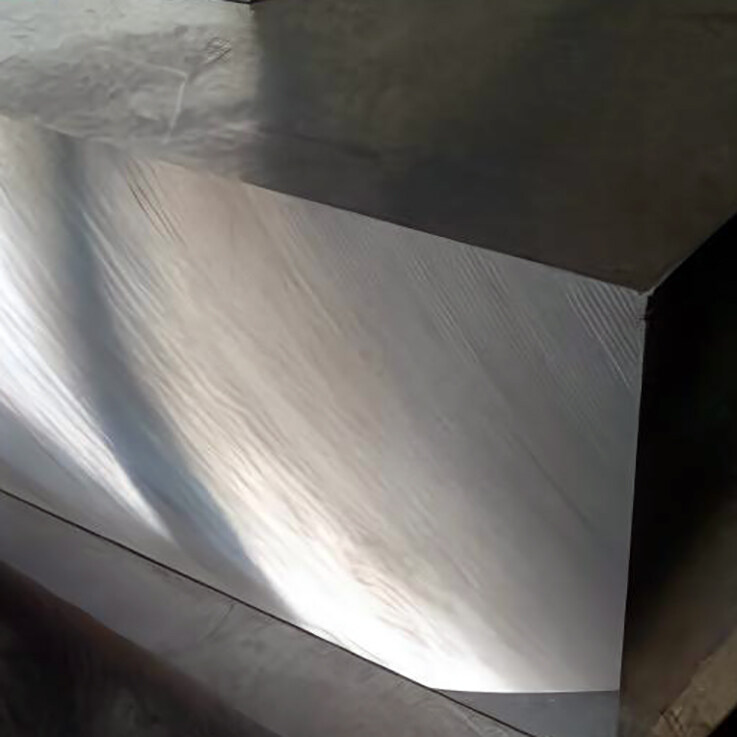
Yes. Proper forging processes can improve material density, refine grain structure, and enhance the stability of magnetic properties.
For example, nickel-iron soft magnetic alloys (such as 1J79) require strict annealing after forging to restore optimal magnetic performance.
Does machining affect magnetic properties?
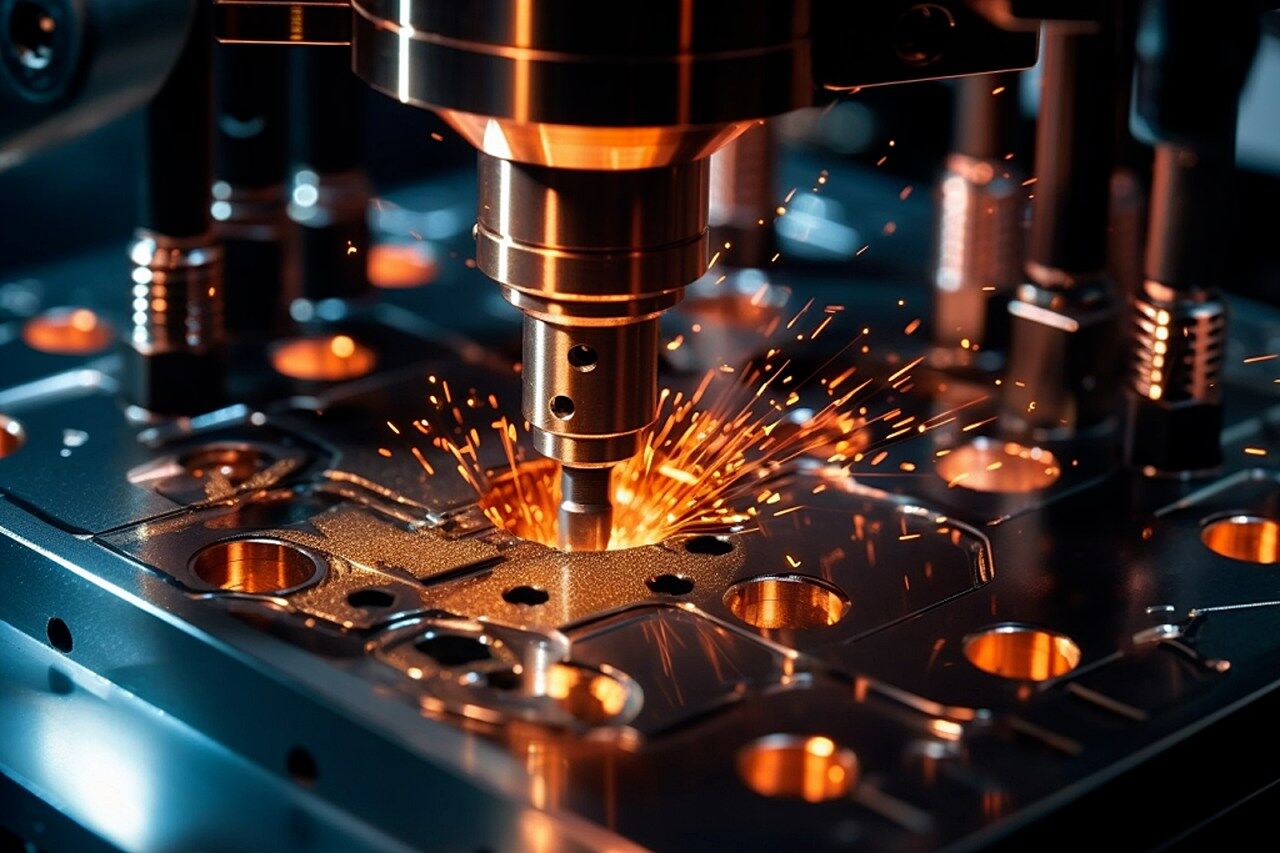
Yes. Work hardening and residual stress generated during cutting can negatively impact magnetic permeability and increase losses.
Therefore, it is necessary to control cutting parameters, minimize machining-induced stress, and perform stress-relief annealing after finishing.
This is especially critical for high-precision magnetic cores and magnetic shielding components.
Is heat treatment necessary for soft magnetic alloys?
In most cases, yes.
Common heat treatment methods include vacuum annealing, hydrogen atmosphere annealing, and stress-relief annealing. These processes help restore properties degraded by cold working and improve magnetic permeability and stability.
What processing methods are suitable for soft magnetic alloys?
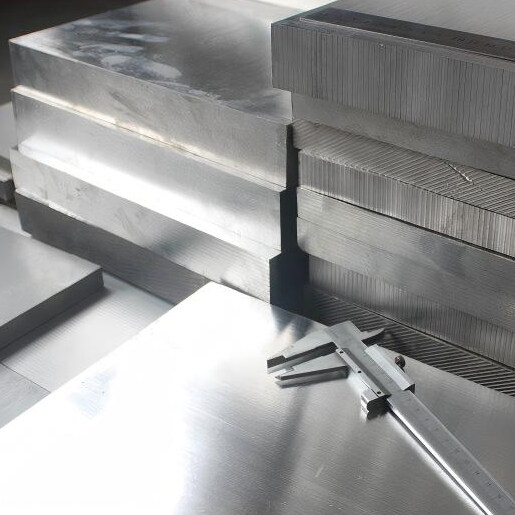
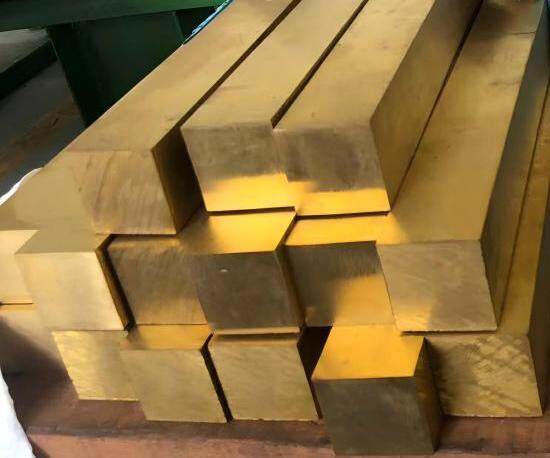
Open-die forging, die forging blanks, turning, milling, and precision machining of structural components.
Different applications—such as motor cores, magnetic shielding parts, and sensor magnetic circuit components—have varying requirements for machining accuracy and magnetic performance. Selection should be based on the final application conditions.
How to select the appropriate soft magnetic alloy material?
Material selection should consider factors such as operating frequency, magnetic field strength, temperature conditions, dimensional accuracy requirements, and the presence of mechanical stress.
Different material systems (such as nickel-iron alloys, Fe-Si-Al alloys, and nanocrystalline materials) are suited to different applications. Technical evaluation is recommended during the design stage.
For detailed information on specific grades, specifications, or machining feasibility, please feel free to contact us for further discussion.