Non-Metal Material Supply

Categories
Lastest Products
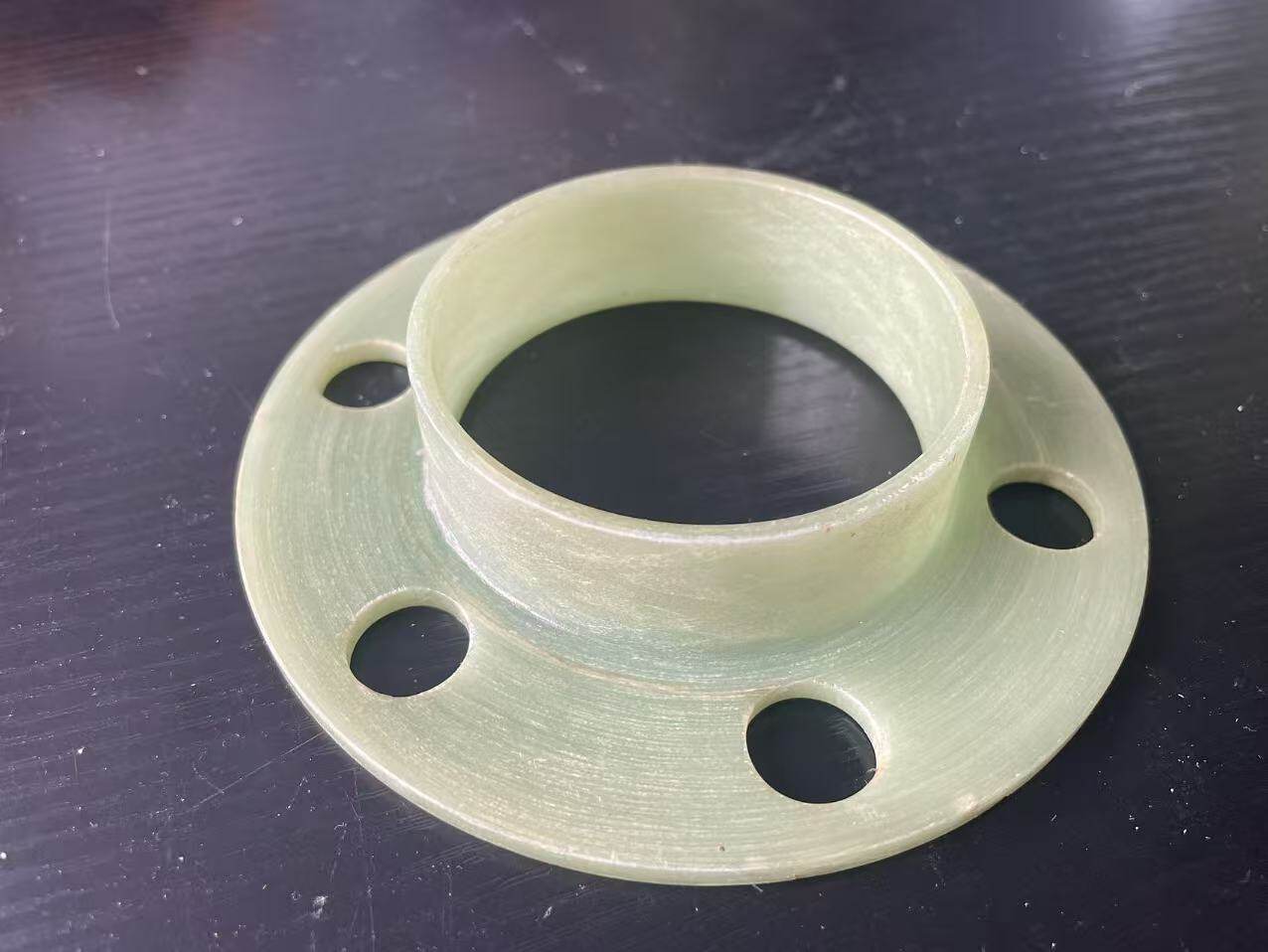
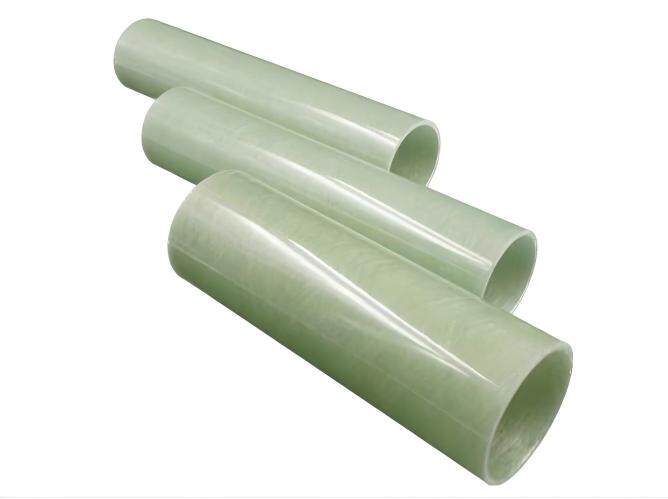
3640 epoxy fiberglass series
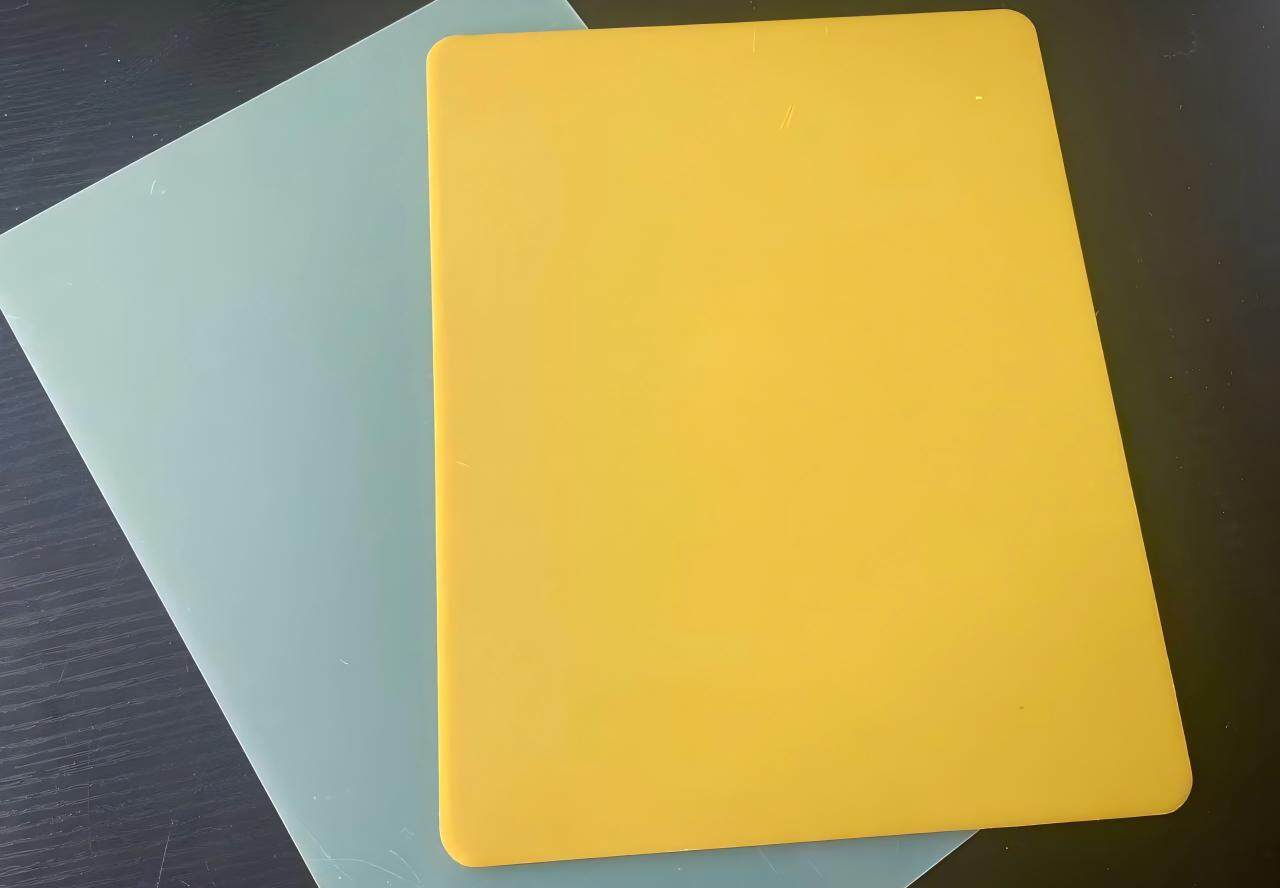
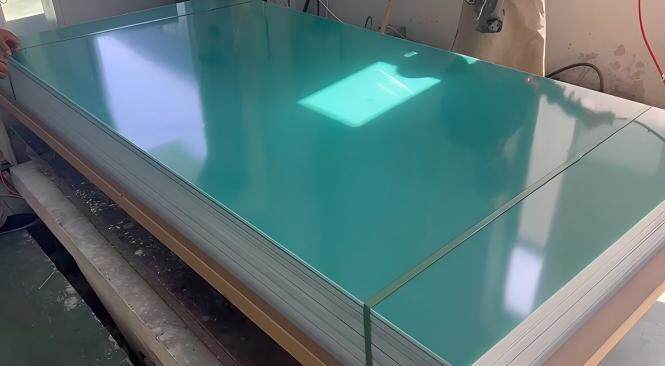
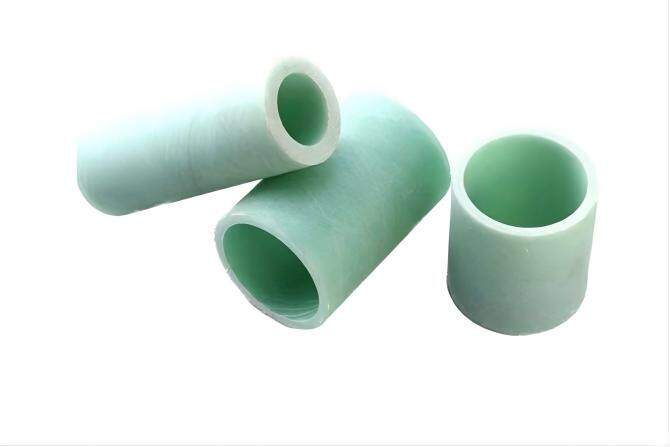
3640 Epoxy Fiberglass Series
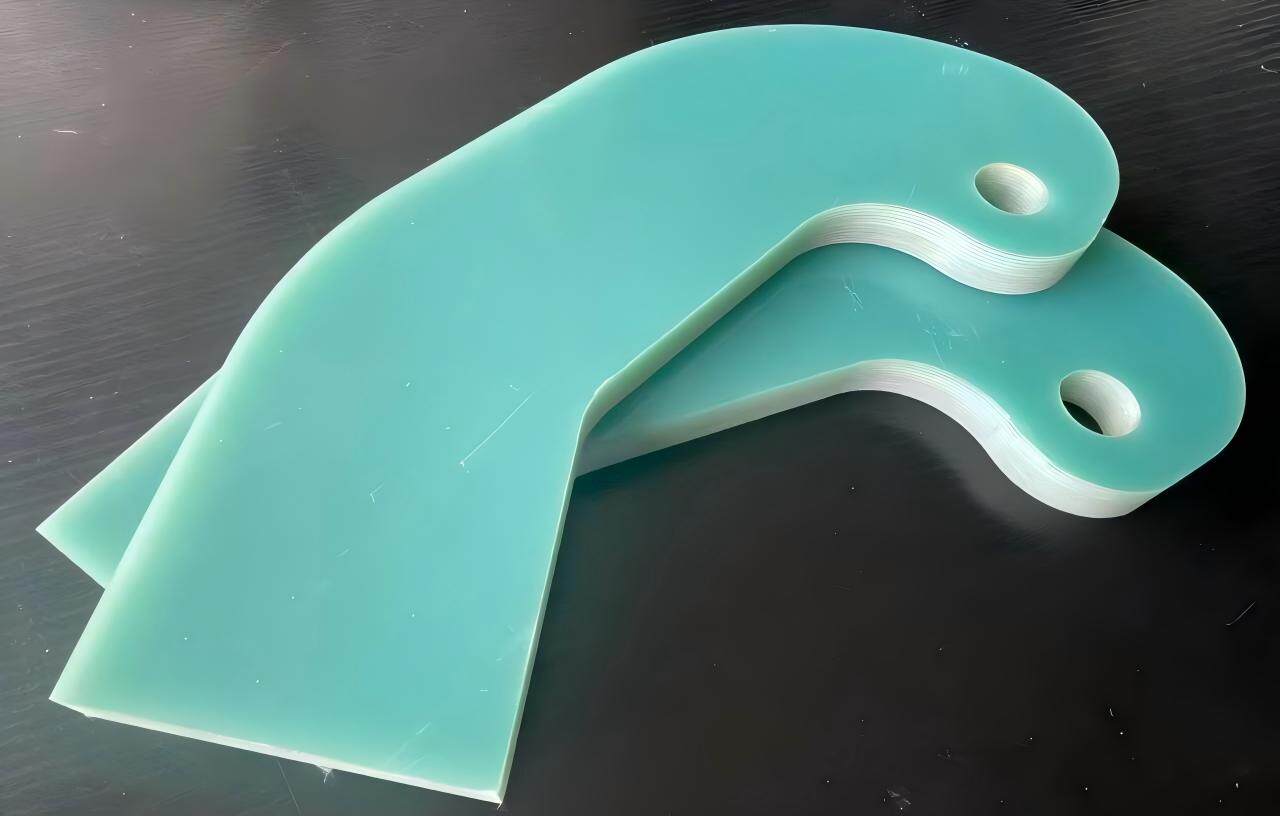
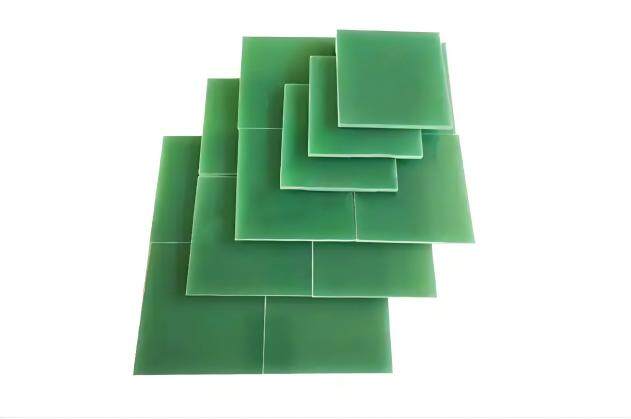
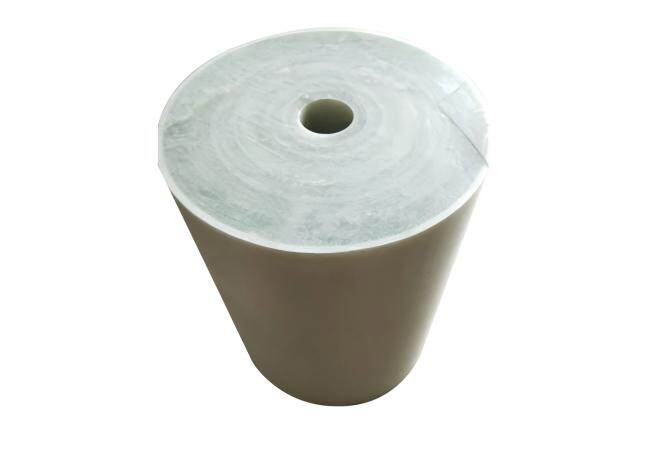
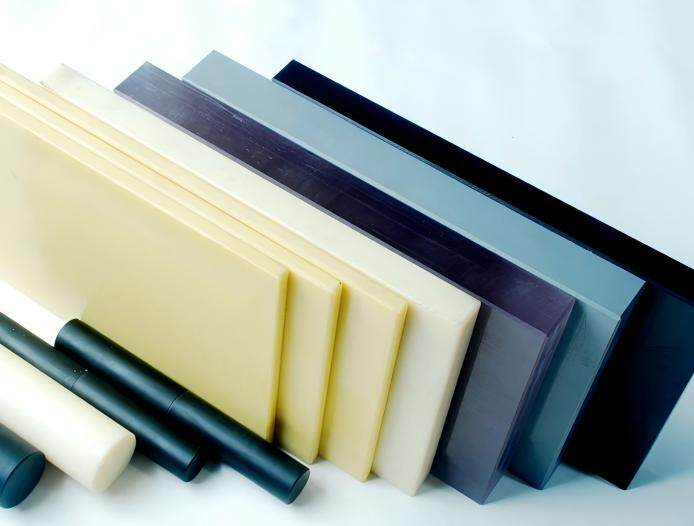
Product Forms and Customization 3640 Epoxy Glass Cloth Laminated Sheets Thickness: 0.3mm-100mm Standard size: 1020×1220mm, customizable width, length, and thickness Secondary processing: Cutting, slotting, drilling Applications: Motor insulation parts, mechanical supports, mold base plates   3640 Epoxy Fiberglass Rods Standard diameters: 6mm-200mm Customizable lengths Can be precision machined for end faces and diameters Applications: Electrical insulation shafts, support components, fasteners   3640 Epoxy Fiberglass Tubes Customizable inner diameter, outer diameter, and length Supports winding or molding processes Applications: Insulation sleeves, mechanical structural parts, protective covers for electrical equipment   Key Material Advantages High Mechanical Strength: Excellent tensile, compressive, and bending resistance Superior Electrical Insulation: Arc-resistant, leakage-resistant, with stable dielectric properties Heat Resistance: Continuous working temperature up to 155°C Moisture and Chemical Resistance: Suitable for humid and mildly corrosive environments Flexible Customization: Supports extended, widened, or thickened sizes and multiple machining options   Applications Electrical Insulation: Motors, transformers, switchgear, relays, and other insulation components Mechanical Structures: Support components, mold base plates, fasteners Industrial & Energy: Rail transportation, power equipment, wind power devices Electronics Industry: PCB substrates, insulation partitions
phenolic paper laminates
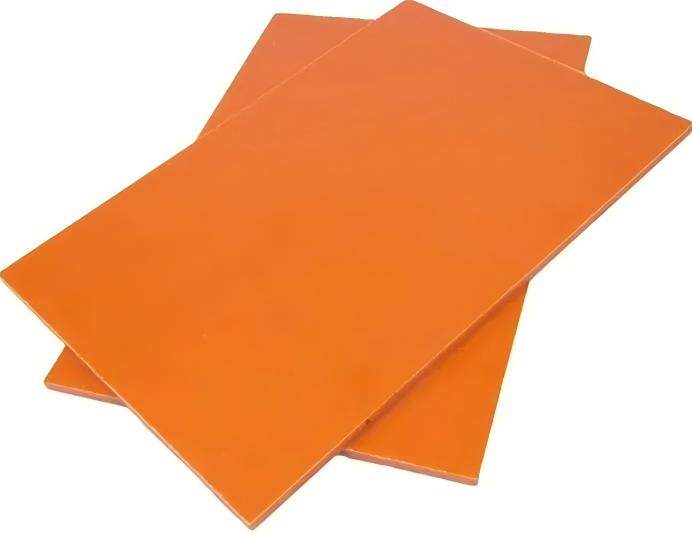
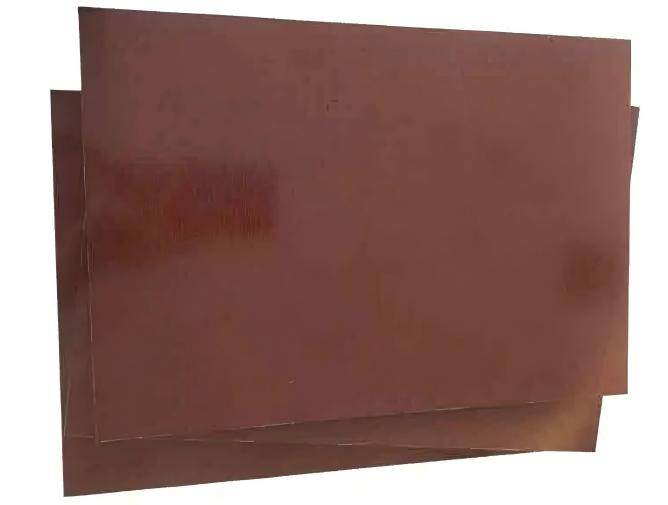
Phenolic Paper Laminates
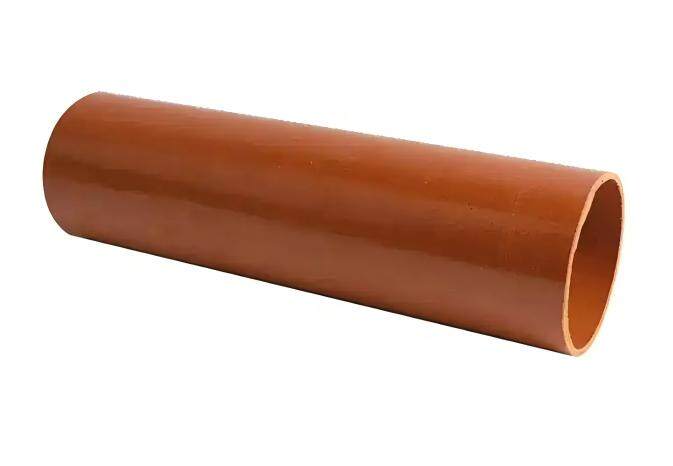
Product Forms and Customization Boards Thickness range: 0.3mm-30mm Standard sizes available, customizable width, length, and thickness Secondary processing: Cutting, slotting, drilling Applications: Electrical insulation sheets, mechanical support plates, mold bases   Rods Standard diameters available, custom lengths and precision diameters supported Applications: Insulation shafts, fasteners, support components   Tubes Customizable inner/outer diameters and lengths Manufactured via winding or molding processes Applications: Insulation sleeves, mechanical components, electrical housings   Product Advantages High Heat Resistance: Continuous working temperature up to 140℃ Electrical Insulation: Excellent dielectric strength and arc resistance Flame Retardant: Compliant with IEC/UL standards Mechanical Strength: Excellent tensile, compressive, and bending resistance Flexible Customization: Supports extended, widened, or thickened dimensions and secondary machining   Applications Electrical Insulation: Motors, transformers, switchgear, relays Mechanical Structure: Support plates, mold bases, fasteners Industrial Equipment: Instruments, electrical control cabinets, heat-resistant panels Transportation & Energy: Rail transit, power equipment, wind power applications
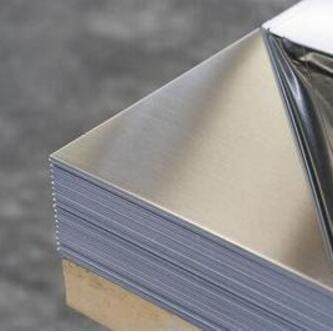
1j22nb soft magnetic alloy
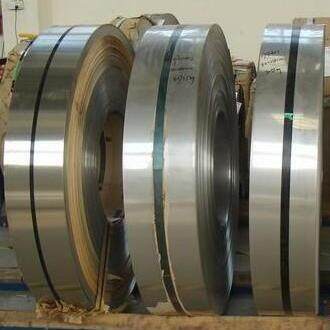
1J22Nb Soft Magnetic Alloy
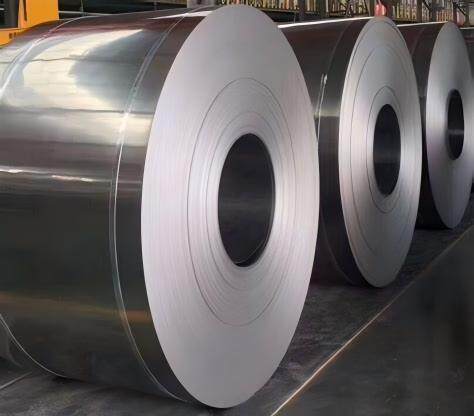
1J22Nb is a soft magnetic alloy with extremely high mechanical strength and high saturation magnetic induction. Compared with standard 1J22 strips, 1J22Nb sacrifices part of magnetic performance but significantly improves mechanical strength, making it ideal for ultra-high-speed motor rotors. Its overall performance surpasses Hiperco 50HS, achieving an excellent balance between strength and magnetic properties. Key Properties and Advantages Extremely high mechanical strength High saturation magnetic induction (up to 2.35T) Excellent resistance to cracking during machining Suitable for high-speed rotating and precision motor components Typical Applications Ultra-high-speed motor rotors Aerospace and new energy vehicle drive systems Magnetic couplings and high-performance electromechanical devices Mechanical Properties Tensile strength Rm ≥ 1350MPa Yield strength Rel0.2 ≥ 650MPa Elongation A ≥ 15% Supply Form Specification: strip Condition: cold-rolled, annealed Customization: available upon request Standards: specifications available according to Russian, American, British, French, and Japanese standards
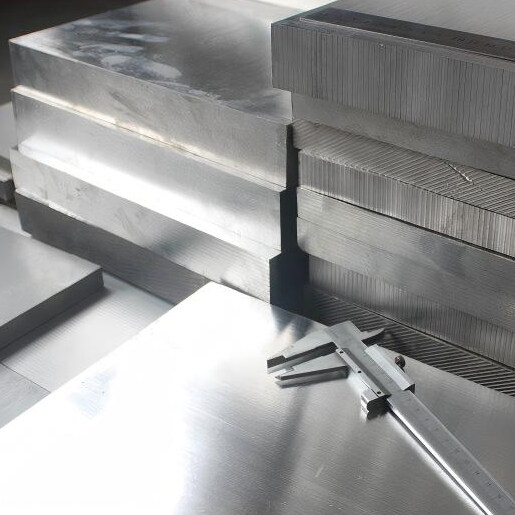
aluminum alloy forging and machining
Aluminum Alloy Forging and Machining
We provide professional aluminum alloy forging and precision machining services, covering the complete manufacturing process from raw material selection, forging and forming, heat treatment, to finished machining and inspection. With mature process experience and strict quality control systems, we deliver high-performance, consistent aluminum alloy forgings and finished component solutions to our customers.   Processing & Machining Capabilities Mainstream industrial aluminum alloys including 2A12, 2A14, 6061, 6063, 6082, 7075, etc. Additionally, we offer material selection, processing, and customization services for other special aluminum alloys according to customer-specific application or performance requirements.   Forging Using mature forging technologies such as open-die forging and closed-die forging, we produce aluminum alloy forgings with dense microstructure and stable performance: - Optimize grain structure to enhance material strength and fatigue resistance - Reduce internal defects to improve load capacity and service life - Suitable for various structural components including shafts, rings, flanges, valve bodies, and connectors - Provide post-forging heat treatments such as solution treatment, aging, or stress relief according to application needs   Precision Machining Equipped with comprehensive CNC machining facilities to meet high-precision requirements for aluminum alloy components: - Conventional and complex machining including CNC turning, milling, drilling, and boring - Multi-face machining and capability for complex cavities and special-shaped structures - Strict control over dimensional accuracy, geometric tolerances, and surface quality - Support for processing based on drawings or samples, and provide process optimization advice to help reduce manufacturing costs and improve efficiency   Quality Control and Inspection Chemical composition analysis Dimensional and geometric tolerance inspection Appearance and surface quality examination Material test certificates (MTC), inspection reports, and third-party inspection support available upon request   Product Features Optimize material properties to ensure component strength and reliability Enable lightweight designs to reduce overall product weight Meet complex structural and tight tolerance requirements Flexible customization to satisfy diverse customer needs   Applications Key aluminum alloy structural and functional components for automotive manufacturing, aerospace, machinery, and high-end equipment manufacturing.   Contact us for tailored solutions and competitive offers!
1j21 soft magnetic alloy
1J21 Soft Magnetic Alloy
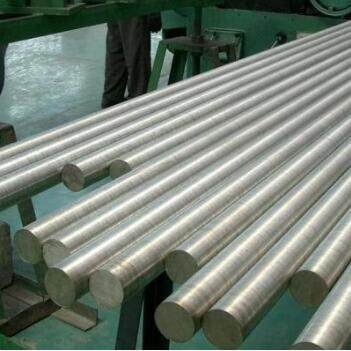
1J21 is a high-performance soft magnetic alloy with the highest saturation magnetic induction (up to 2.4T) and low iron loss, representing the top tier in soft magnetic materials. Its key feature is delivering extremely high magnetic induction while maintaining low energy loss. Key Properties & Advantages High Saturation Magnetic Induction (2.4T): enables higher magnetic flux density. Low Core Loss: improves motor and generator efficiency while reducing energy loss. High Power Density & Efficiency: supports maximum torque density and compact motor design. Wide Applications: excellent performance in electrical, medical, and other specialized fields. Typical Applications Motor and generator cores — improve power density and efficiency Electromagnetic poles — medical radiology equipment Specialized transformers Magnetic bearings Actuators and magnetic components Mechanical Properties (Hardened, Rod Example) Tensile strength Rm ≈ 260MPa Yield strength Rp0.2 ≈ 185MPa Elongation A ≈ 0.66% Machinability In the hardened state, 1J21 exhibits high brittleness and low ductility, making it prone to chipping and edge breakage during machining. Advanced machining techniques, proper tooling materials, and optimized cutting parameters are required. Supply Forms Specifications: rod, plate, strip, wire Conditions: cold-rolled, annealed Customization:tailor-made processing available upon request
titanium alloy forging and machining
Titanium Alloy Forging and Machining
We provide one-stop titanium alloy forging and precision machining services, covering the complete manufacturing process from raw material selection and forging to heat treatment, finished machining, and inspection. Leveraging mature processing technologies, a stable supply chain, and strict quality control systems, we are committed to delivering titanium alloy forgings and finished components that offer high strength, lightweight performance, excellent corrosion resistance, and stable, reliable quality.   Processing & Machining Capabilities α and near-α titanium alloys: TA1, TA2, TA3, TA9, etc. α+β titanium alloys: TC4 (Ti-6Al-4V), TC11, TC18, etc. β titanium alloys: TB5, TB6, etc. Additionally, we offer material selection, processing, and customization services tailored to customer-specific operating conditions and performance requirements.   Forging Using proven forging processes such as open-die forging and closed-die forging, titanium alloy billets are plastically deformed under strictly controlled deformation temperatures and reductions. This effectively improves internal microstructure and enhances overall mechanical properties: - Optimize grain structure to enhance material strength and fatigue resistance - Reduce internal defects to improve load capacity and service life - Suitable for various structural components including shafts, rings, flanges, valve bodies, and connectors - Provide post-forging heat treatments such as solution treatment, aging, or stress relief according to application needs   Precision Machining Equipped with comprehensive CNC precision machining capabilities to meet the high requirements for dimensional accuracy and surface quality of titanium alloy components: - Conventional and complex machining including CNC turning, milling, drilling, and boring - Multi-face machining and capability for complex cavities and special-shaped structures - Strict control over dimensional accuracy, geometric tolerances, and surface quality - Support for processing based on drawings or samples, and provide process optimization advice to help reduce manufacturing costs and improve efficiency   Quality Control and Inspection Chemical composition analysis Dimensional and geometric tolerance inspection Appearance and surface quality examination Material test certificates (MTC), inspection reports, and third-party inspection support available upon request   Product Features Optimize material properties to ensure component strength and reliability Enable lightweight designs to reduce overall product weight Meet complex structural and tight tolerance requirements Flexible customization to satisfy diverse customer needs   Applications Titanium alloy forging and machining products are widely used in industries such as aerospace and aero-engine manufacturing, shipbuilding and marine engineering, chemical processing equipment and corrosion-resistant systems, energy equipment and high-end manufacturing, as well as medical devices and advanced industrial applications.   Contact us for tailored solutions and competitive offers!